1868–1969: Early Foundations in Diversity
1868–1870
1868: The College (known as “Northfield College” until 1871) hires its first female instructor, Hattie M. Seccombe, to teach music lessons.
1869–70: Sarah E. Dow, the College’s second female faculty member, serves as Preceptress and Instructor of Latin and English.
1874
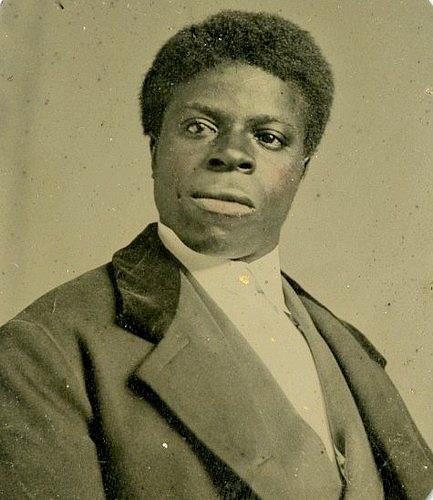
Carleton’s first African-American student, Franklin B. McDaniel, enrolls at age 19 in what was then the school’s sub-collegiate preparatory department and studies there for two years. McDaniel was the first of two Black students to attend Carleton in the 19th century at the sub-collegiate level. The second, attending 1895 to 1897, is Angelina Weld Grimké, who would go on to become a noted poet, playwright, essayist, and educator.
1875
Margaret J. Evans becomes the first woman with the Carleton rank of full professor. She held numerous positions here between 1874 and 1908 including Professor of English Literature and Modern Languages, Preceptress, Lady Principal, and Dean of the Women’s Department. In 1927, Carleton constructed a new dormitory named after her, Margaret J. Evans Hall.
1891–1892
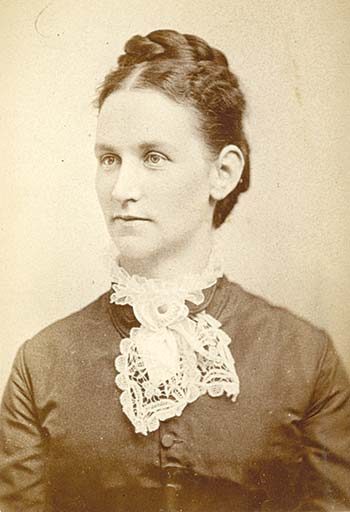
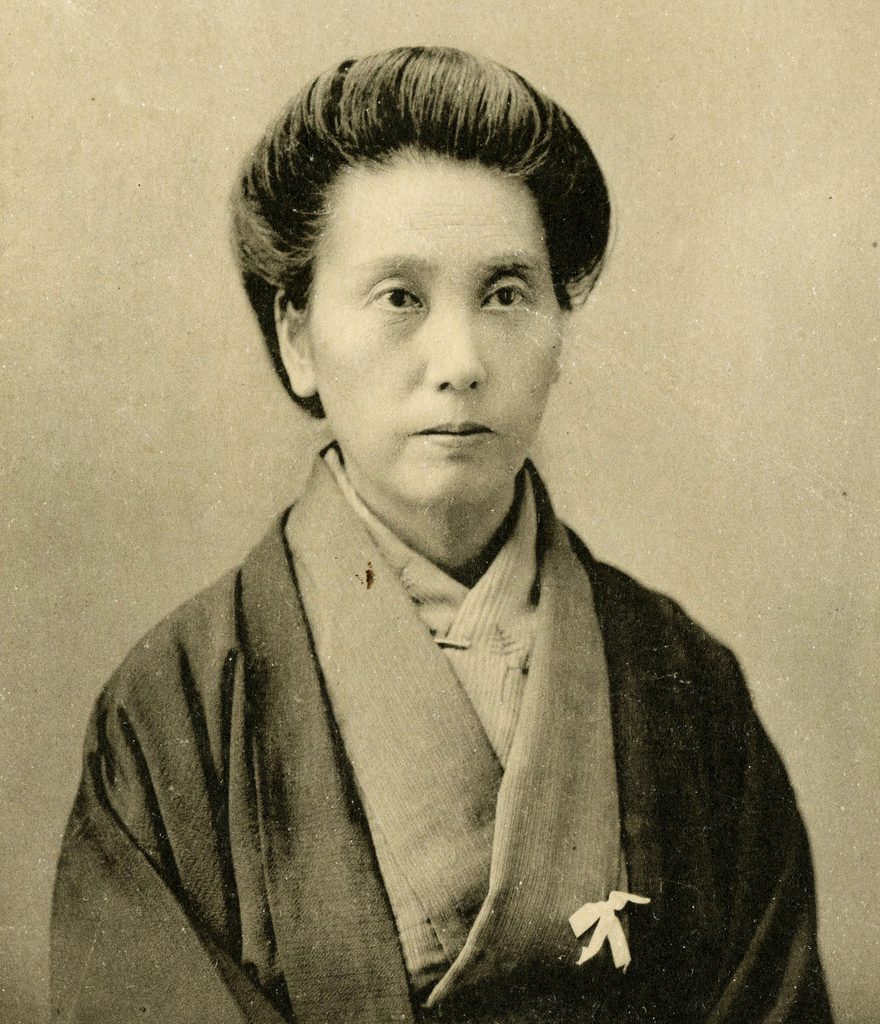
Tsune Watanabe, of Japan, graduates, becoming the first international student to receive a Carleton bachelor’s degree. The second, earning a B.S. in 1892, is Arakel Garabed Sivaslian, an Armenian from Turkey. In 1893, Sivaslian earned the first of only six Carleton PhDs ever awarded.
1916
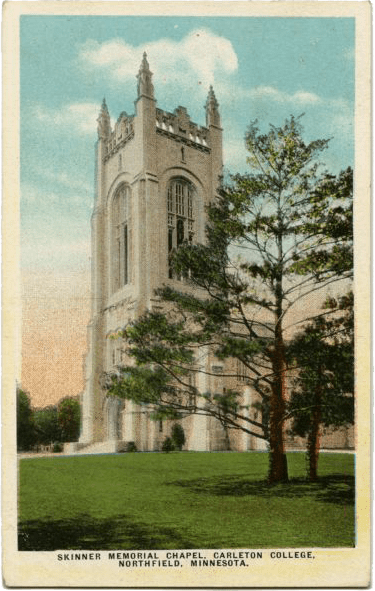
Skinner Memorial Chapel is constructed. The building has served Carleton as a church, performing arts center, and auditorium.
1918
Ray and Dora Phillips, alumni from the class of 1914, move to South Africa to begin a 40-year career as missionaries. The couple dedicated their lives to social justice, establishing the Bantu Men’s Social Center in 1924 and the Jan Hofmeyr School of Social Work in 1941, fostering Black leadership and cultural expression. Their work laid significant groundwork for anti-apartheid efforts, and they were later honored for their contributions to social work and racial equality in South Africa.
1923
Mostafa Abassi, from Zanjan, Persia (Iran) enrolls as (likely) Carleton’s first Muslim student, graduating in 1927. Later in life, he will change his family surname to Vazirid.
1925
Matriculation of Evelyn Jessie Lambert, believed to be the first Native-identified student to attend Carleton at the collegiate level–and the first to graduate, doing so in 1931. The daughter of an Episcopal minister, before coming to Carleton, she had spent most of her life on the Rosebud reservation in South Dakota.
1927
Minnie M. Dilley, class of 1898, becomes the first woman to serve on Carleton’s Board of Trustees, doing so until 1931.
1937
Former U.S. Secretary of State Frank B. Kellogg, a Carleton trustee, champions increased commitment to global educational perspectives at Carleton with a $500,000 gift to support a new department of international relations. The gift also supports scholarships both for Carleton students wishing to study abroad and for international students coming to Carleton.
1942–1945
Carleton volunteers to admit a number of Japanese-American students whose families had been forced into internment camps following American entry into World War II and who were thus unable to continue studies begun in West Coast universities. Of the six admitted in 1942–43, two will eventually receive Carleton degrees. The first to do so is Roy Shinichi Hamaji, Class of 1944. Another of the first six, Frank Masao Shigemura, leaves Carleton to fight in the war and is killed in action in Europe. The Shigemura room in Willis Hall was dedicated to his memory in 1954.
1949
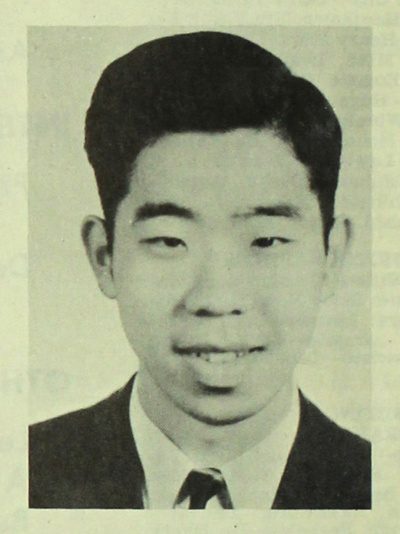
Alvis Lee Tinnin, who the year before had enrolled as Carleton’s first African-American student since the 1920s, becomes the first to earn a Carleton bachelor’s degree. An accomplished singer and actor who had already spent nearly two years performing in a Broadway musical, Tinnin came to Carleton as a 26-year-old military veteran with enough previous college credits to give him immediate junior status upon entering.
1960
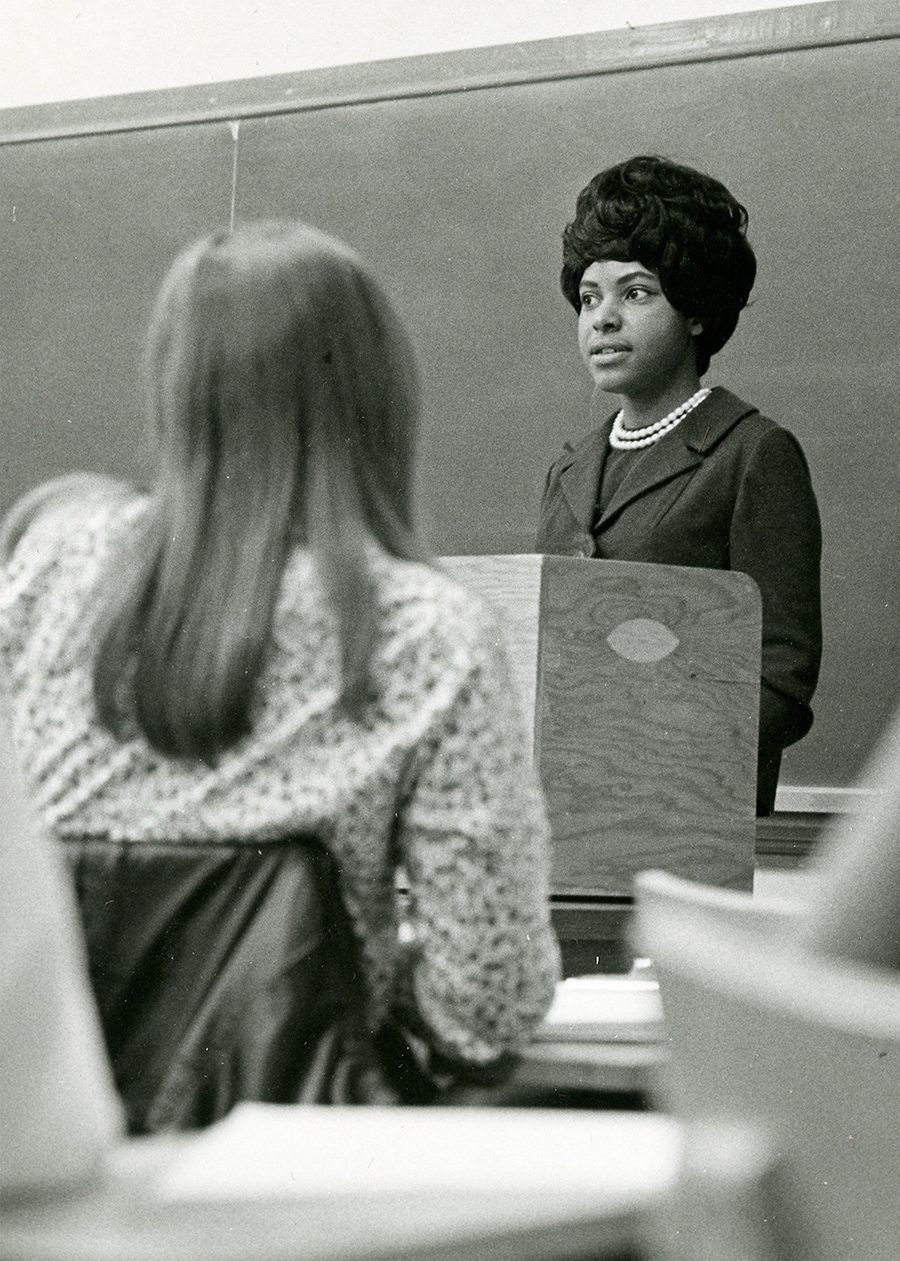
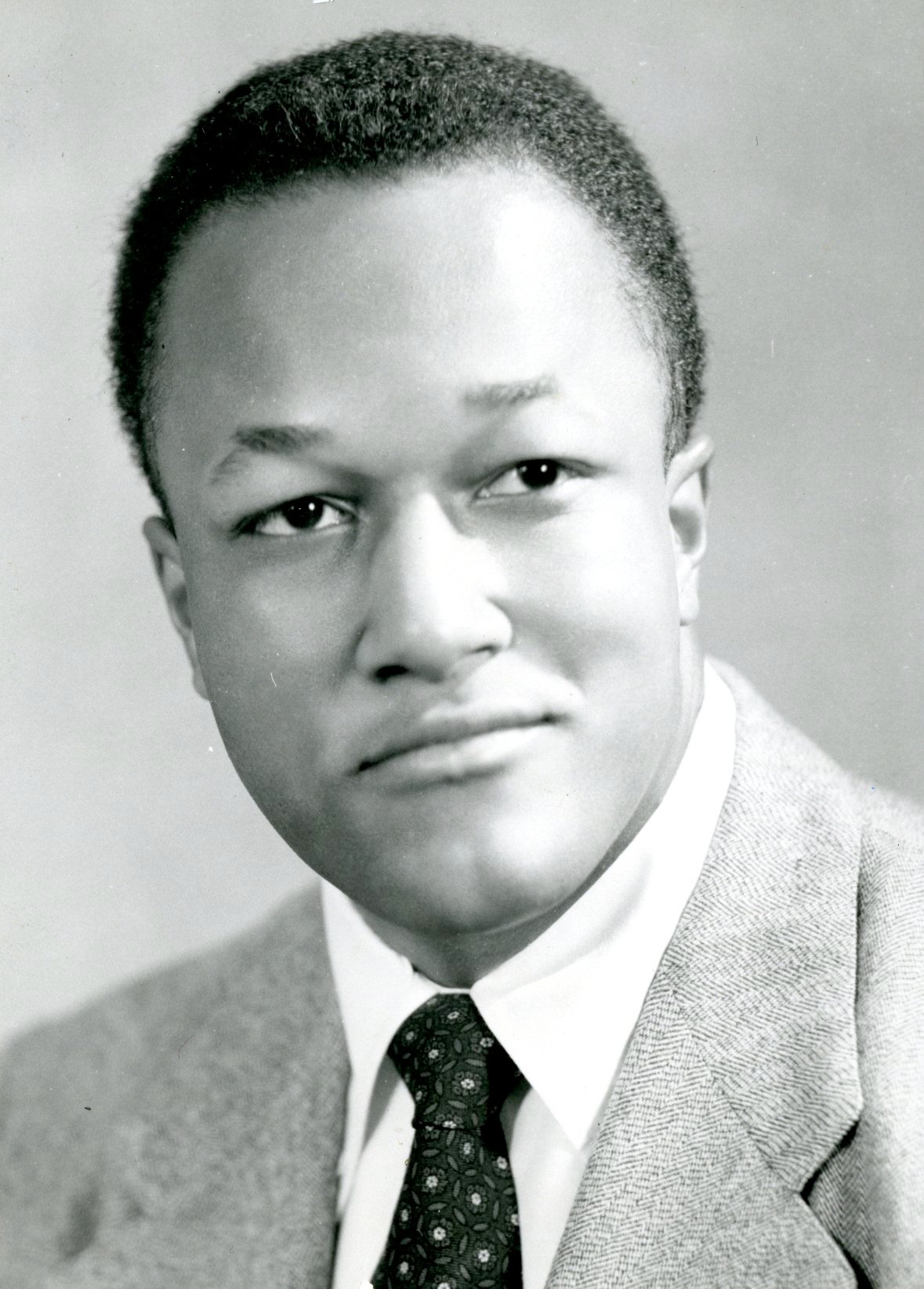
The first African-American woman to graduate from Carleton is H. Amelia Cobb, from Washington D.C., who would go on to be a theater professor at the University of the District of Columbia. Cobb graduates one year ahead of Joyce A. Hughes of Minneapolis, who would later be the first African-American woman to graduate from the University of Minnesota law school and the first to serve on the Carleton Board of Trustees.
1962
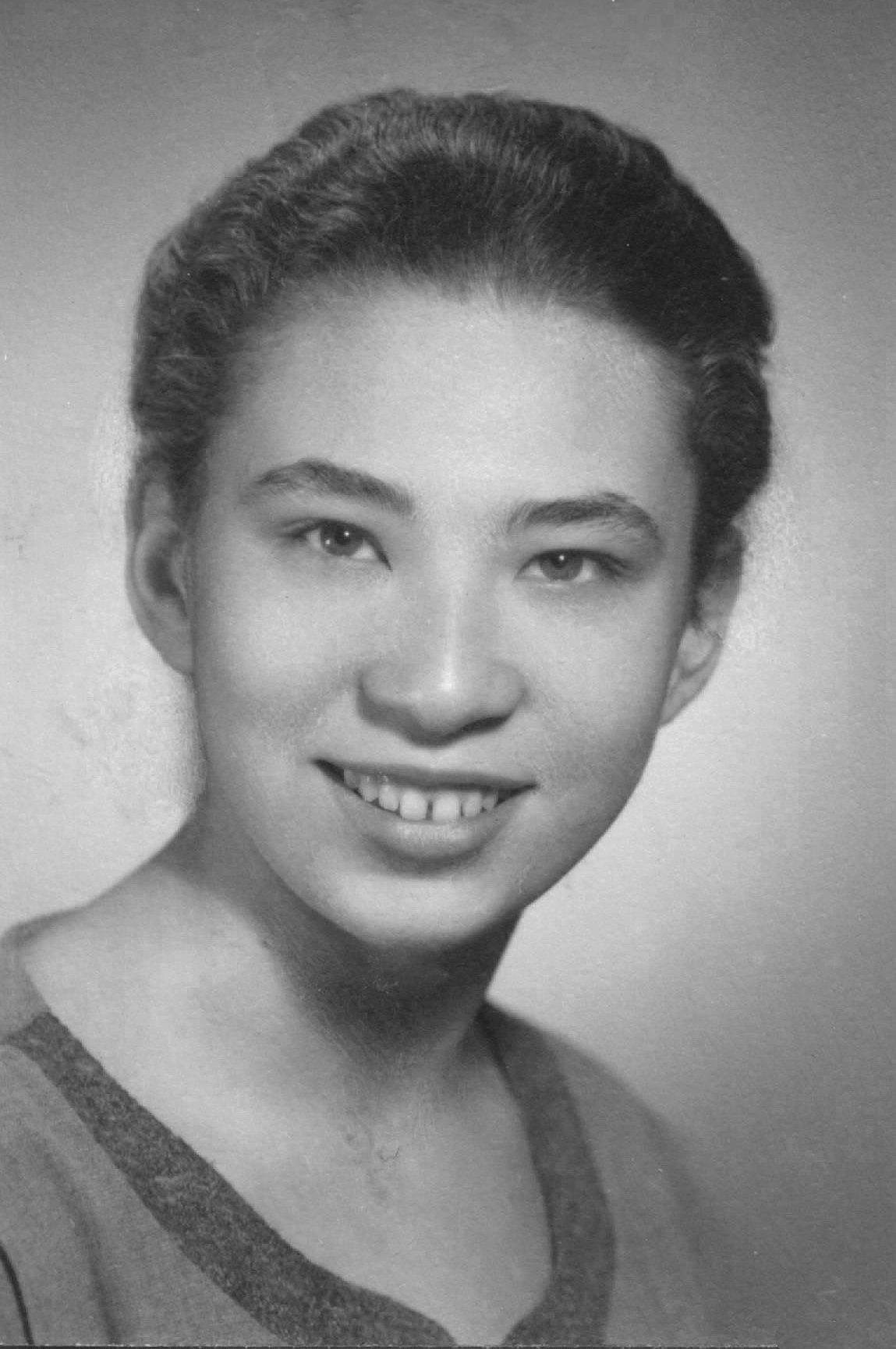
Jack Ruiz, the son of former migrant workers in Colorado, enters Carleton as a freshman. While Carleton had enrolled several Spanish-speaking international students in previous decades, Ruiz may be the first American-born Hispanic to matriculate at the school, though he withdrew in 1964 without graduating.
1964
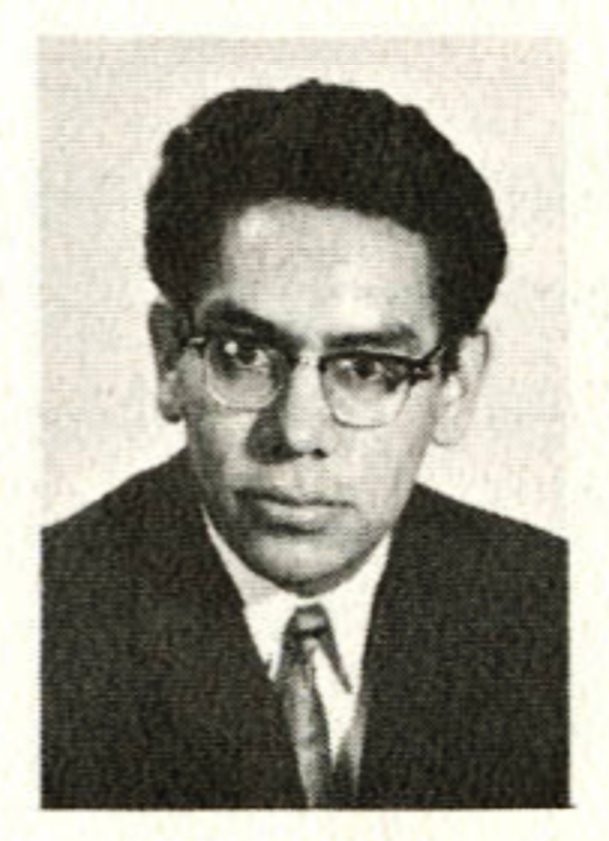
Carleton secures a $275,000 Rockefeller Foundation grant to provide “financial assistance based on need to qualified students from Negro and other disadvantaged minority groups.” This grant signifies a significant step in Carleton’s formal commitment to diversifying its student population.
1964
The Faculty Committee on Religious Affairs (CRA) submits a “Unanimous Proposal and Recommendations” to the Board of Trustees in May 1964 to end the religion attendance requirement.
1966
Carleton hires its first African-American professor, biologist Vannie Wilson, who came to Carleton in 1966 after two years teaching at Denison University in Ohio. Wilson was promoted from Assistant to Associate Professor in 1969, but departed from Carleton in 1971 to join a medical school faculty and pursue “a deep commitment to black students in medical education.”
1967
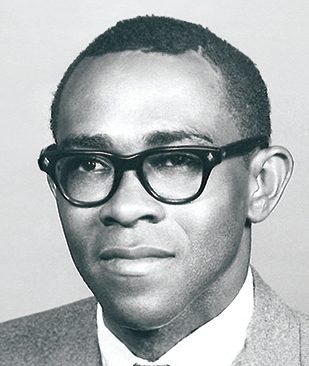
The Negro Affairs Committee (NAC) was formed in fall 1967. (The group later became SOUL: Students Organized toward Unity and Liberation.) NAC held forums, presented outside speakers, agitated for admissions and curriculum reforms, and generally challenged what they saw as “the school’s complacent and simplistic liberalism.” In response, the College’s Committee on Negro Affairs presented a report in March 1968 which recommended that Carleton set a minimum goal of 10% Black enrollment and suggested hiring a Black admissions officer, increasing financial aid, and preparing a pamphlet written by Black students honestly describing their experiences at Carleton. They also suggested initiating a Black Studies program and a peer counselor system. The College adopted every one of these recommendations within a year.
1967
Working alongside NAC, white students at Carleton form the White Action Committee (WAC) to support anti-racism efforts. The group organizes the “Hometown Summer” project, sending students to their hometowns to challenge local racism.
1968
Fred Easter joins the Carleton staff as an assistant director of Admissions. In addition to being a lecturer in English, Easter assumes primary responsibility for increasing Black student recruitment & enrollment and serves as director of Black activities and minority affairs, director of the summer orientation program of Project ABC (A Better Chance), and director of ABC’s Midwest regional office at Carleton.

1969
Carleton launches its Black Studies Program, which signifies the college’s dedication to integrating minority perspectives into its curriculum.